|

TO ORDER LIVE BAIT
PLEASE CALL US AT
1-920-437-9776
Live Bait at your Location
If you own a bait shop or a convenience store, selling Live Bait is a great way to bring in more customers to your store. Pre packed live bait is available for store front business. For pre packed live bait and shipping cost please
Contact Us
"NEW"
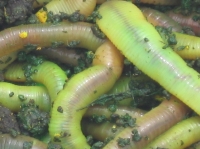
Green Nightcrawlers
RECOMMENDED BUSINESS LINKS
(click here)
Fishing Aids
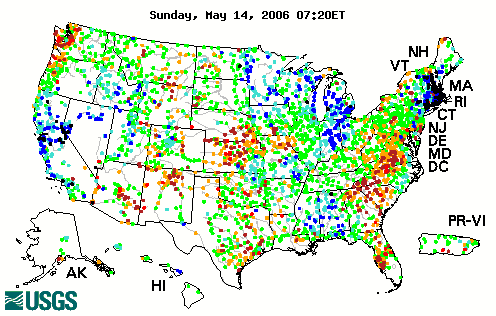
USGS FLOW CHARTS


|

|
Thunderbugs
(Tetragoneuria spinigera)
As a kid growing up in Wisconsin I spent a lot of
time fishing for bluegill. I tried a lot of other live baits and tackle
and there is nothing that works like a live thunderbug. If you want to
start catching more bluegill, start using thunderbugs. My favorite time
of year for bluegill fishing is in the spring time when the lilacs are
in bloom and the bluegills are on their spawning beds. If you wear
polarized sunglasses you can actually sight fish them. I can only say
they absolutely cannot resist thunderbugs. This fascinating bug comes
from dragonflies. A dragonfly is a flying insect 2-4 inches long that
comes in a variety of colors. Dragonflies have an elongated abdomen, 6
legs, 2 pairs of wings and a large set of eyes that can see 360 degrees.
They are usually seen around wetland marshes, ponds and lakes because
this is were they were born. It all starts when a female dragonfly lays
eggs on aquatic plants that are in or just under the surface of the
water. Once the eggs hatch in the water they are now considered to be
nymphs, otherwise known as thunderbugs. These aquatic nymphs will now
spend several months under water, eating invertebrates. Thunderbugs
breathe under water by passing water thru internal gills and shooting a
stream of water out their anus. When a thunderbug is ready to morph onto
land, it will climb up out of the water and crawl out of its old larval
skin and then fly away.
We sell and ship thunderbugs in bulk. Thunderbugs are very easy to keep
alive simply by keeping them refrigerated and changing the water twice a
week. We have several different quantity options to try these bugs. If
you are interested in catching more fish than usual, try our thunderbugs
in bulk.
To Order Visit
Bait Pricing Page
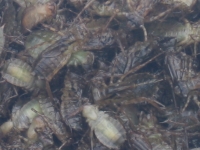
THUNDERBUGS
(Dragonfly Nymphs) |
250 Count |
500 Count |
1000 Count |
 |
$30.50
OUT OF STOCK
|
$56.00
OUT OF
STOCK
|
$101.00
OUT OF
STOCK |
AFTER FISHING - PLEASE DO NOT DISPOSE ANY LIVE BAIT IN THE WATER OR LAND
*Wisconsin Residents will be charged
Sales Tax*
|
|
|




